Designing Epic Game Logos: A Guide to 3D Text Effects
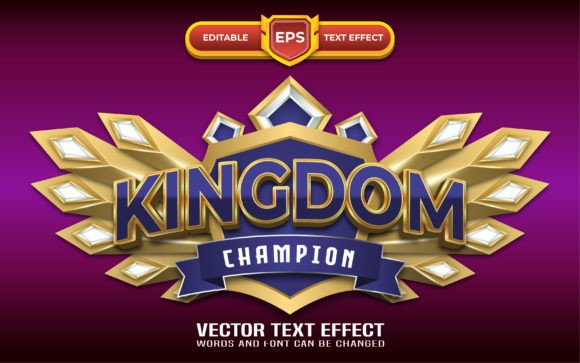
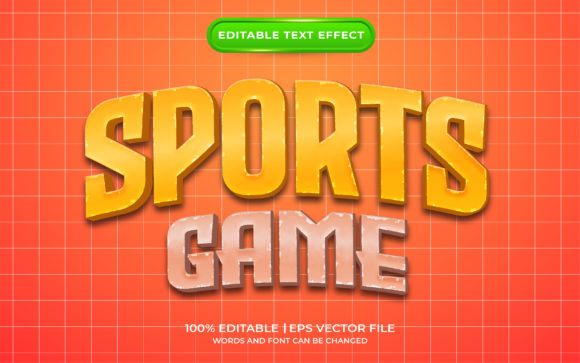
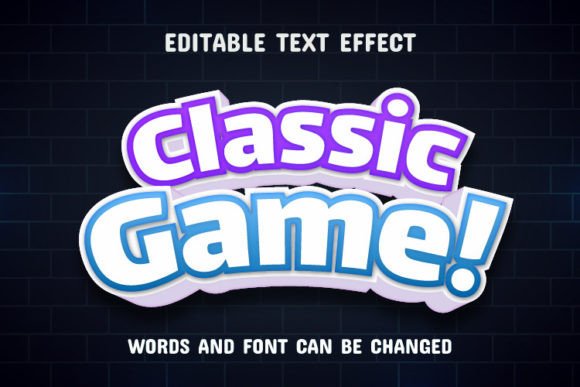
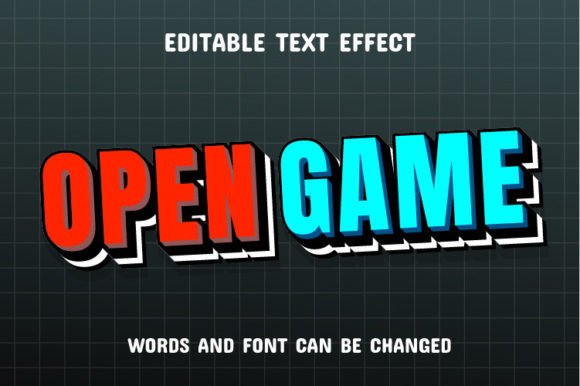
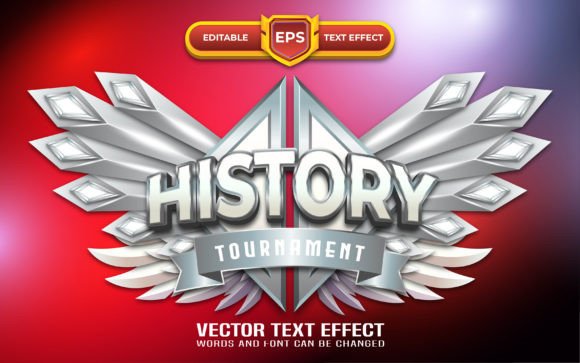
You know that moment when you see a logo that just pops? The kind that makes you stop scrolling, lean in, and think, "Okay, this is serious." That’s the power of a well-executed 3D text effect, especially in the world of game design and branding. It’s not just about making letters look bulky; it’s about creating a sense of weight, atmosphere, and story before a single word is read. For designers and creators looking to inject that kind of visual punch into their projects without spending hours wrestling with complex 3D software, a pre-built asset like the History 3d Game Logo with Text Effect for Adobe Illustrator can be a game-changer. It’s a specialized tool that brings the dramatic flair of historical epics and gaming aesthetics directly into your vector workflow.
Why 3D Text Effects Dominate Visual Storytelling
Let's be real: flat design has its place, but when you need to convey power, legacy, or adventure, dimension is your best friend. A 3D text effect does more than add depth. It creates a tactile presence. Think about the logos for strategy games, historical documentaries, or even fantasy book covers. That chiseled, metallic, or stone-carved look immediately sets a tone. It tells your audience this isn't a lightweight, casual thing. This is something with history, weight, and importance. This particular asset is designed with that exact purpose in mind. The "History" style suggests textures and forms that evoke aged metal, carved rock, or forged iron—perfect for projects that need to feel established and epic.
The real value of a tool like this lies in its adaptability. Because it's built in Adobe Illustrator as an AI & EPS file, it’s a vector-based asset. That means it’s infinitely scalable. You can use it for a tiny favicon or blow it up for a massive event backdrop without losing a single pixel of crisp detail. The fact that it’s 100% editable text and uses a 100% free font is huge. You’re not locked into a specific typeface. You can swap in your own brand name, a client’s title, or a campaign slogan and maintain that powerful 3D aesthetic. It’s about giving you a professional-looking starting point that you can truly make your own.
From Game Title to Global Brand: Practical Applications
So, where does a style like this actually work? The applications are broader than you might first think. Obviously, it’s a natural fit for logo design for indie game studios, YouTube channels focused on gaming history, or even a podcast about epic tales. But its utility extends far beyond the gaming sphere.
- Social Media & Digital Presence: Create thumb-stopping graphics for Instagram stories, Twitter banners, or Facebook ads. A 3D title treatment for a new video series or product launch announcement adds instant professionalism and visual weight.
- Print & Event Materials: Design stunning posters, flyers, or event programs for historical reenactments, museum exhibits, or gaming tournaments. The effect translates beautifully to print, adding a tactile quality to the paper.
- Packaging & Merchandise: Imagine this on the packaging for a specialty coffee blend, a craft beer with a historical theme, or even the label for a hot sauce. It lends an air of premium, artisanal quality. It also works brilliantly on merchandise like T-shirts, mugs, and posters for bands or artists with a bold aesthetic.
- Editorial & Digital Products: Use it for chapter headings in an e-book, the title slide for a keynote presentation, or the cover of a digital magazine. It instantly elevates the perceived value of the content.
The key is matching the font style to your project’s goal. This particular 3D game logo text effect screams authority and history. It’s not the right choice for a whimsical bakery logo, but it’s perfect for a documentary series, a strategy game, a fantasy novel, or a brand that wants to convey strength and tradition.
Making It Work: Practical Design Considerations
Getting a great result isn’t just about applying the effect and walking away. A little strategy goes a long way. First, font pairing. While the effect works on many typefaces, you’ll get the best results with a strong, bold display font or a sturdy serif font. Avoid overly delicate scripts or ultra-thin sans-serifs, as the 3D extrusion might overwhelm their character. Test a few options within Illustrator to see how the letters interact with the depth and texture.
Next, think about readability. The dramatic shadow and depth are fantastic for impact, but for longer words or phrases, ensure the text is still legible at the intended size. Sometimes, a slight adjustment to the letter spacing or the depth of the effect can make all the difference. Because this asset is easy customizable and editable, you can tweak these details until it’s perfect.
Finally, consider your color palette. The default RGB color mode is optimized for digital screens, which is ideal for most web and social media use. If you’re taking this to print, you’ll need to convert it to CMYK in Illustrator and adjust colors accordingly, as some vibrant RGB hues can dull in print. The ability to change the color of the text, the extrusion, and the shadow independently is a powerful feature for maintaining brand consistency across all your materials.
Building a Cohesive Visual Identity
A tool like this isn’t a one-trick pony. It’s a component in your larger brand identity toolkit. Used consistently, a unique text effect can become a recognizable part of your visual language. Think about using it for all your main event titles, or as the consistent header style for a series of digital products. This builds visual consistency, which in turn strengthens brand recognition. Your audience starts to associate that specific style with your content.
It also contributes to a professional presentation. In a crowded digital space, the quality of your visuals is a direct reflection of the quality of your offering. A polished, dynamic text effect signals that you care about details and invest in your craft. This, in turn, boosts audience engagement. People are drawn to visuals that tell a story and evoke emotion. A well-chosen 3D effect does exactly that, making your content more memorable and shareable.
When you’re working with any design asset, especially a premium font or effect, always double-check the licensing. This particular asset is clear about its commercial font usage, which is essential for any project that will be used for business, whether it’s a client project, your own brand, or merchandise for sale. Knowing you have the right to use it commercially gives you peace of mind and creative freedom.
In the end, great design is about solving problems and communicating ideas effectively. If your goal is to communicate strength, history, and epic scale, a thoughtfully crafted 3D text effect is one of the most direct paths there. It’s about giving your words the presence they deserve.