Arcade Game Kids Birthday Invitation: Design and Print with Ease
Throwing a birthday party for a kid who loves video games is an exciting endeavor, but the preparation can often feel like a high-score challenge you just can't beat. Between the decorations, the cake, and the guest list, creating a unique invitation might seem like the final boss you don't have time to fight. That’s where the beauty of a professionally designed, yet fully customizable, Arcade Game Kids Birthday Invitation template comes in. It bridges the gap between professional graphic design and the personal touch every parent wants, allowing you to create a pixel-perfect invite that sets the tone for an epic celebration.
The Visual Appeal of Retro and Pixel Art Design
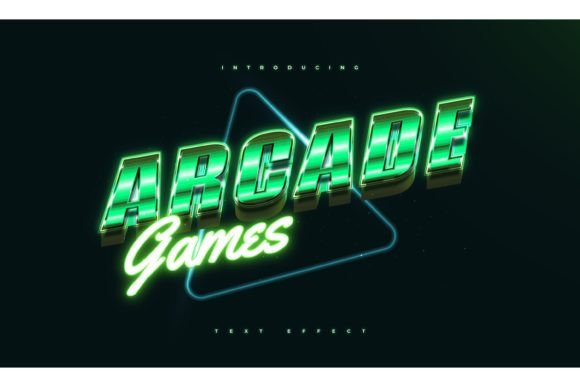
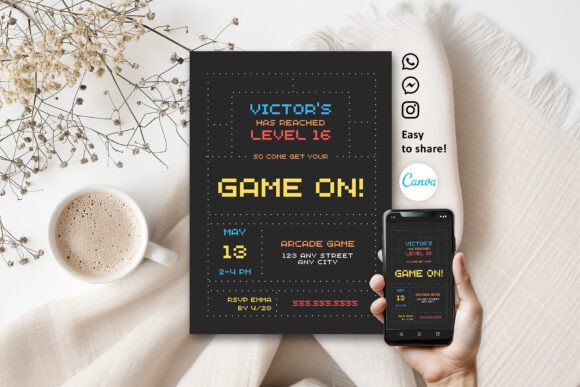
When you think of an arcade theme, your mind immediately jumps to vibrant neon colors, blocky pixel art, and a sense of nostalgic fun. This aesthetic is incredibly effective for children's parties because it is inherently playful and recognizable. A high-quality template captures this energy through specific design choices—perhaps using a retro sans serif font that mimics the text on classic game screens or incorporating imagery of joysticks, coins, and "Player One" graphics. The visual appeal lies in the balance of bold colors and structured design. It isn't just a piece of paper; it’s a preview of the adventure waiting at the party. For parents who are small business owners or content creators, this style also offers a masterclass in how a specific visual identity can instantly communicate a theme without needing a single paragraph of explanation.
Seamless Customization: From Template to "Game On"
One of the biggest hurdles in DIY design is the fear of complicated software. However, modern design assets have shifted toward accessibility, specifically through platforms like Canva. The workflow for an Arcade Game Kids Birthday Invitation is surprisingly simple: you receive a PDF with a link, click it to open the template in Canva, and you’re ready to edit. You don't need to be a graphic designer to change the font style, size, or color. If the default text doesn't fit the vibe you’re going for, you can easily reposition or resize the text box.
This level of customization is vital for maintaining visual consistency. Imagine you have a specific "party logo" or a character your child loves—you can simply drag and drop your own images into the template. This mirrors the workflow professionals use for branding projects, where assets need to be flexible enough to adapt to different contexts while remaining true to the core identity. The ability to make unlimited edits without an expiration date means you can tweak the kerning, adjust the color palette to match your printer's output, or even create variations for different age groups without starting from scratch.
Practical Applications Beyond the Invite
While the primary goal is to invite guests, the design elements of an arcade-themed invitation can serve as a foundation for a cohesive event identity. This is where the mindset of a marketer or brand strategist comes in handy. Once you have your base design, consider how those assets can be repurposed to elevate the entire party experience.
- Social Media Graphics: If you are creating a private Facebook event or sending digital reminders, export your design as a PNG for high-quality sharing. The pixel art aesthetic translates perfectly to digital screens.
- Print Materials: Beyond the 5x7 invite, use the design elements to create matching food labels (think "Power-Up Pizza" or "Health Potion Juice"), thank you cards, or a "High Score" certificate for party games.
- Merchandise and Packaging: For the crafty parent or small business owner, this aesthetic is gold for merchandise. You could print the design onto sticker sheets for goodie bags or use the typography style to create custom wrapping paper.
Using a consistent typeface and color scheme across these touchpoints creates a professional presentation that makes the event feel curated and special. It turns a simple birthday party into a branded experience, which is a concept borrowed directly from professional packaging design and editorial layouts.
Typography and Readability: Making the Details Pop
In the context of a birthday invitation, readability is non-negotiable. While a heavy metal or grunge font might look cool, if parents can't read the address or the time, the design fails. The Arcade Game Kids Birthday Invitation style typically utilizes display fonts that are bold and legible, mimicking the screen displays of 8-bit and 16-bit eras.
When editing your template, pay attention to font pairing. A common strategy in modern typography is to pair a decorative display font (used for the header "You're Invited") with a clean sans serif font for the body text (date, time, location). This ensures that the "cool" factor doesn't compromise the information hierarchy. Canva allows you to test these pairings instantly. You might find that swapping a standard white text for a neon green adds to the theme, but ensure there is enough contrast against the background for easy reading.
Choosing the Right Design Assets for Your Project
Whether you are a hobbyist making an invite for your own child or a professional creating assets for a client, the choice of design assets matters. A premium template offers a distinct advantage over free, generic clipart because it is structured with commercial licensing and high-resolution output in mind.
When selecting your design, consider the "personality" of the font and graphics. Does it look too childish for a tween's party? Is it too complex for a toddler's celebration? The best creative fonts and templates allow you to adjust the mood. By downloading options in PDF (for professional printing), JPG, or PNG, you ensure that the final product—whether it’s a physical card in hand or a digital image on a screen—looks crisp and professional. This attention to detail is what separates a standard homemade invite from a memorable keepsake that guests (and their parents) will appreciate.